Services
We design and control how visual systems behave in live events.
From first concept to final cue — we bridge creative intent and technical execution so every system performs exactly as designed.
Services
From first concept to final cue — we bridge creative intent and technical execution so every system performs exactly as designed.
Service 01
We translate creative ambition into technically executable systems — giving every idea a clear path from vision to stage.
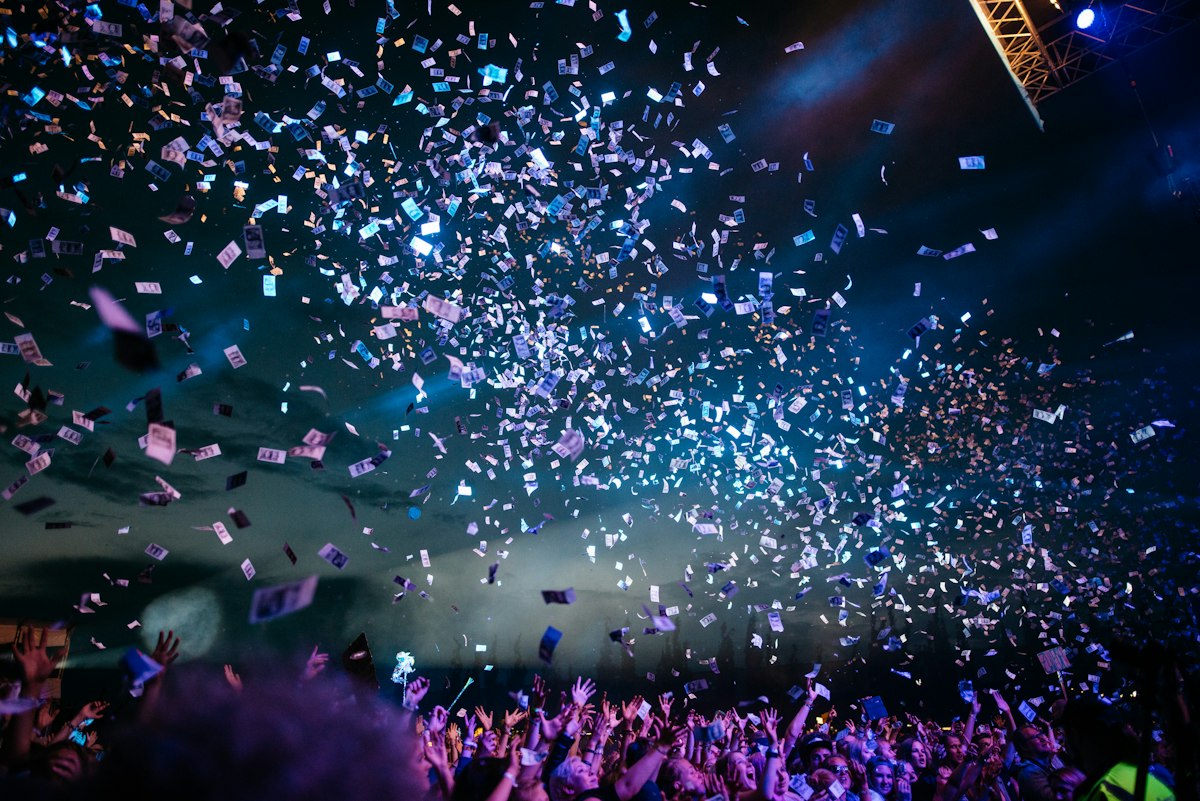
Most shows fail before they begin — not because of weak creative, but because the creative was never grounded in what the technology can actually do. Show Design closes that gap. We take your concept and stress-test it against the physics of the venue, the constraints of the gear, and the demands of the schedule. What comes out is a design that is not only beautiful but executable — a show that the crew can build, the system can run, and the audience will feel.
Pre-visualization is embedded in this process: we model the space in 3D, program lighting looks, map the LED surfaces, and validate the visual language before anything touches the real world. Clients get sign-off on exactly what they will see. Teams get a shared reference that removes ambiguity. Shows get built right the first time.
| Situation | What we hear | What we do |
|---|---|---|
| Concept to Brief | "We have a feeling for the show but no technical brief." | We translate the creative vision into a structured design document — surfaces, systems, interactions, and intent. |
| Client Approval | "My client can't read a technical plot — how do I get sign-off?" | Photorealistic 3D renders and interactive fly-throughs turn technical language into experiences the client can see and approve. |
| Venue Integration | "The room doesn't match what the venue told us." | We survey the actual space and redesign around reality — not the floor plan. |
| Budget Pressure | "We need to cut gear without losing the look." | Design-led value engineering: we find what creates the most visual impact per unit of cost. |
| Brand Alignment | "The visual identity and the staging don't feel like the same event." | We build the visual language across every surface — LED walls, lighting, graphics, scenic — from a single coherent system. |
Phase 1
Creative direction, visual language, surface mapping, and initial 3D model. Establishes the show's aesthetic framework.
Phase 2
Equipment selection, rigging strategy, sight-line analysis, and pre-viz programming. The creative becomes a spec.
Phase 3
Full technical package — plots, schedules, supplier briefs, and show file structure. Ready for build.
Phase 4
Ongoing presence through production to adapt design decisions as the show evolves on-site.
Visualization
Fully navigable digital model of the venue with programmed lighting, mapped video surfaces, and camera angles validated before load-in.
Visual Identity
A coherent graphic and motion language that governs every screen, lighting state, and content element across the show.
Documentation
CAD plots, rigging drawings, pixel maps, content specifications, and a visual bible for the production team.
Approval
Rendered stills, animated walkthroughs, and comparative options — everything a client needs to make a confident decision.
We lead the visual and technical design of your show from concept through to handoff. You bring the creative ambition — we translate it into a system that can be built, programmed, and run.
You have a production team already — we come in as the specialist who owns the pre-viz, the visual system, or the technical documentation. Scoped to what you need, not the whole service.
Service 02
We synchronize lighting, video, and effects into one unified system — so the show runs with precision, not luck.
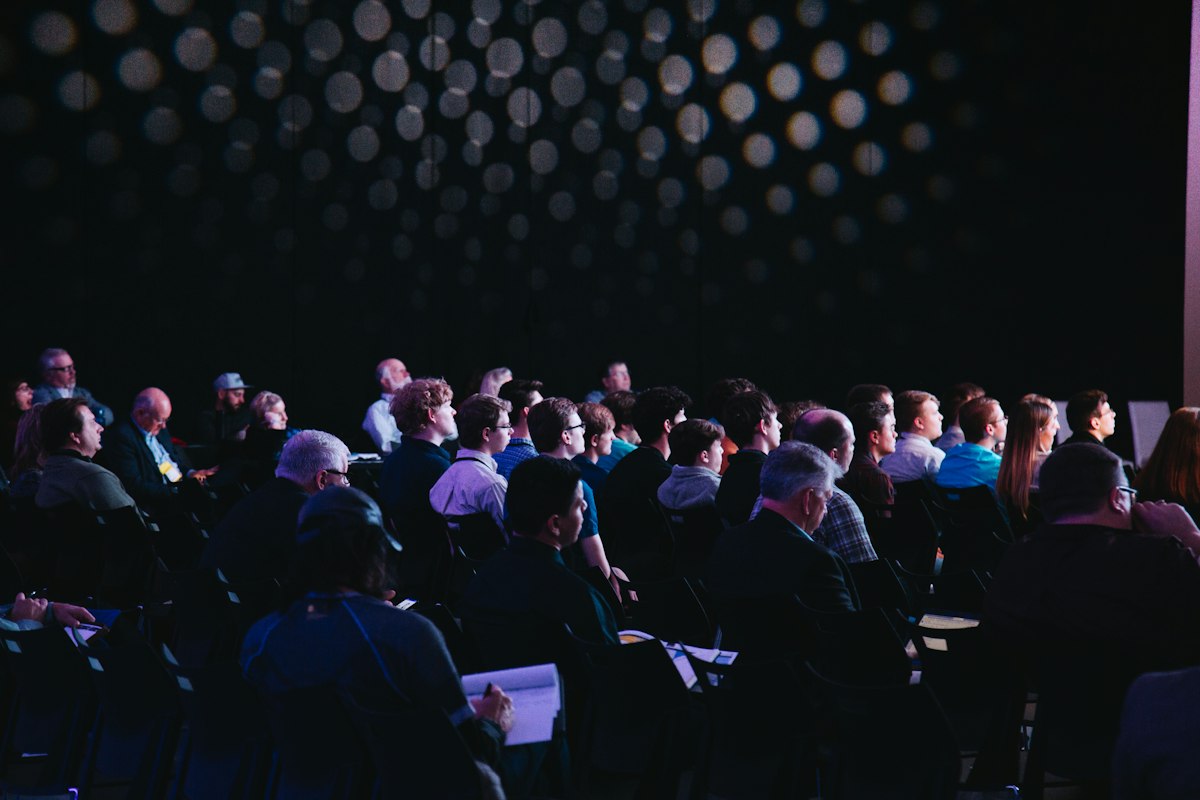
The most spectacular moments in live events are not accidents — they are the result of multiple technical systems firing in precise coordination. A lighting state change that lands exactly on the downbeat. A video reveal that triggers at the same millisecond as the practical effect. A cue sequence that plays identically across five performances. This is what show control and automation makes possible.
We program the systems, define the logic, and build the show file — so that the technology becomes invisible and only the experience remains. For complex productions, automation also eliminates the single point of human failure: when a cue needs to land, it lands, regardless of what else is happening in the room.
| Situation | What we hear | What we do |
|---|---|---|
| Multi-System Sync | "Lighting, video, and audio all need to hit the same beat — how do we sync them?" | We tie every system to a single timecode clock. One trigger, everything moves together. |
| Repeatability | "We're running this five nights in a row — how do we make every show identical?" | A programmed show file fires every cue at exactly the same moment, every performance. |
| Crew Risk | "Our operator is new. Can we make the show more reliable?" | Automation reduces manual decisions on show day. The operator supervises exceptions, not execution. |
| Spectacular Moments | "We want the reveal to feel like nothing this audience has seen." | Frame-accurate multi-system choreography — the kind of moment that is only possible through automation. |
| Pre-Production | "We only have four hours in the venue. Can we do anything beforehand?" | Show files are programmed and tested in a pre-vis environment before the venue is touched. |
Single System / Manual
One system — lighting or video — with a structured cue stack and go-button operation. Reliable, consistent, and a significant step up from ad-hoc.
Multi-System / Manual
Lighting and video triggered from a single master list, called manually by an operator. One point of control, multiple systems moving together.
Single System / Timecoded
One system locked to timecode. Every cue fires automatically to music or a click track — no manual triggers during playback.
Multi-System / Timecoded
All systems — lighting, video, audio, and scenic — locked to a single clock. The show runs itself. The crew manages what changes.
Lighting
GrandMA2, GrandMA3, ETC Eos family, and Avolites.
Video
Resolume Arena & Avenue, Disguise (d3), and QLab.
Show Control
SMPTE Timecode, MIDI, OSC, and Ethernet-based control.
Audio
QLab audio, click tracks, and timecode distribution.
We program the full show file — cues, timecode maps, contingency states, and operator documentation — and hand it off before you enter the venue. The show is ready on day one of load-in.
We program in the venue during load-in, adapt to last-minute changes, and operate the system through the show. The right choice for complex productions where flexibility matters as much as precision.
Service 03
We define the technical backbone — signal flow, equipment topology, and integration logic — before a single cable is run.

Every show has a technical backbone. Signal paths that carry video from server to screen. Data networks that connect control consoles to fixtures. Power distribution that determines what can run simultaneously. When this architecture is designed well, it is invisible — the show works, problems are rare, and recovery from failure is fast. When it is not designed, problems accumulate quietly until show day, when they become visible and expensive.
System Architecture is the discipline of designing that backbone correctly before load-in begins. We map every signal path, define every interface point, specify the equipment that meets the real performance requirements of the show, and document the whole system so that any qualified technician can understand it, troubleshoot it, and hand it over.
| Situation | What we hear | What we do |
|---|---|---|
| Signal Integrity | "We keep losing signal between the server and the LED wall — no one can tell us why." | We trace every signal path, identify failure points, and redesign the chain with proper redundancy. |
| Scalability | "We're adding a second screen and nothing is talking to each other." | We design the network and distribution architecture to expand cleanly — no retrofit hacks. |
| Supplier Integration | "Our touring kit and the venue's in-house system don't speak the same language." | We design the integration layer — protocol conversion, patch strategy, and interface documentation. |
| Spec Confidence | "I don't know if the gear list we've been given will actually do what the design requires." | We audit the specification against the show requirements and flag gaps before they become problems. |
| Documentation | "The last crew left no paperwork and we're inheriting a show we don't understand." | We survey the installed system, document every connection, and produce a complete technical dossier. |
Signal Flow
End-to-end mapping of every video signal — source, conversion, distribution, and display — with redundancy built in at every critical point.
Control Networks
Lighting control network design — universe allocation, node placement, and data flow from console to fixture.
Equipment Specification
Performance-based equipment specification aligned to the show's actual requirements — not a standard kit list.
Documentation
Complete system documentation — rack diagrams, patch sheets, network maps, and a handover document every crew member can use.
Early
Ideal. We inform equipment choices, venue negotiations, and supplier briefs before costs are locked.
Pre-Production
We audit the gear list and signal flow against the design — identifying gaps while there is still time to address them.
Load-In
We verify the installed system against the design and troubleshoot discrepancies before they affect the show.
Post-Show
We document the as-built system for recurring events, future crews, or client handover.
We design the complete technical system from scratch — signal paths, control networks, equipment specification, and documentation package. Delivered as a production-ready technical brief for your suppliers and crew.
You have a system in place — we review it against your show requirements, identify risks, and produce a clear recommendations document. Effective at any stage of production, and often the fastest way to find and fix hidden problems.
Service 04
We are the single point of technical authority on your event — ensuring everything that was designed is what the audience experiences.
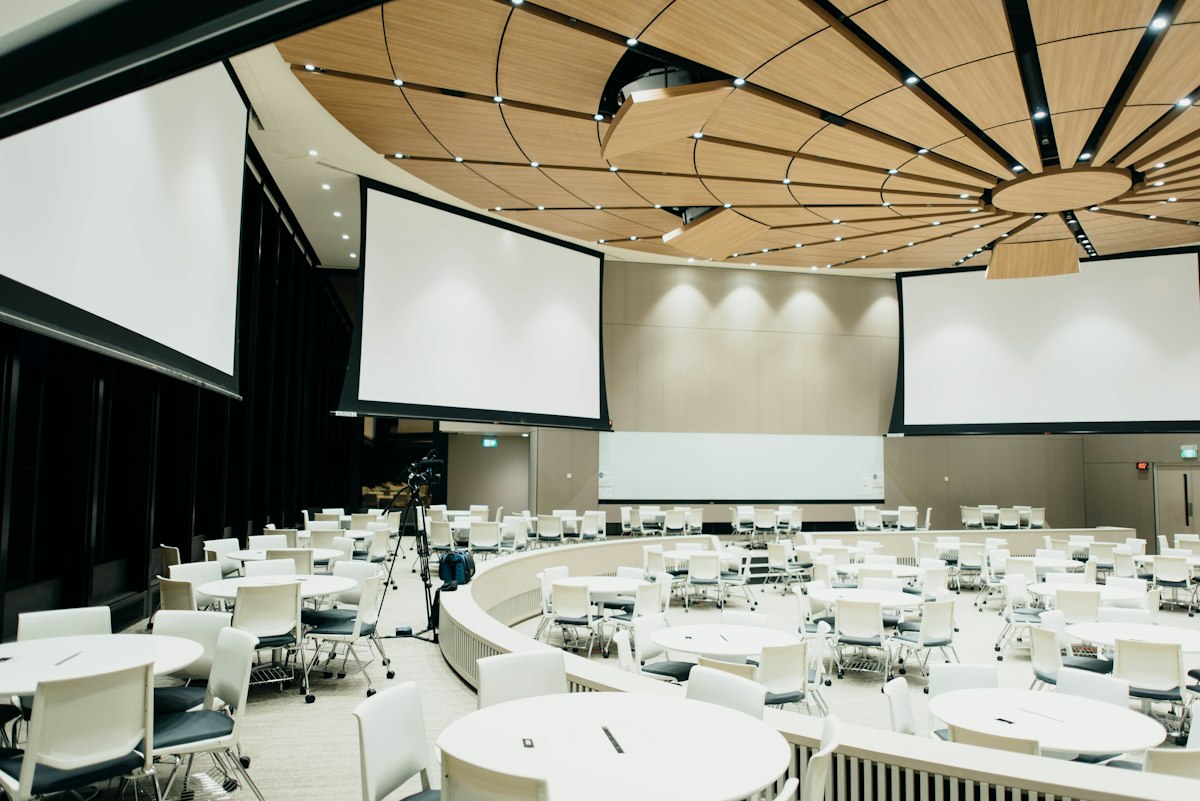
Every show has a gap between what was designed and what the audience sees. Technical Direction is the discipline of closing that gap. It means being the person who understands both the creative intent and the technical infrastructure — and who has the authority to make decisions when they diverge. On show day, that clarity is what keeps productions on track and audiences unaware of the machinery behind the experience.
Technical Direction is not the same as being on-site AV support. A Technical Director does not wait for problems — they anticipate them, design around them, and resolve them before they surface. They manage the relationship between the creative team, the crew, the venue, and the suppliers with a single shared reference: the show as it was designed to be.
| Situation | What we hear | What we do |
|---|---|---|
| Accountability Gap | "I'm the event manager — I shouldn't have to own signal routing decisions." | We take full ownership of the technical layer. One clear point of responsibility, end to end. |
| Communication Breakdown | "The creative team and the AV crew are speaking different languages." | We translate between creative intent and technical execution, keeping both sides aligned and moving forward. |
| Rehearsal Management | "Our rehearsals always run over and the show never feels polished." | We run a structured rehearsal with time-coded checkpoints and clear crew expectations — the show is ready when it matters. |
| Live Contingency | "Something always goes wrong on show day. I need someone who can fix it fast and invisibly." | We carry redundant signal paths, backup media, and pre-planned contingencies for every likely failure mode. |
| Venue Integration | "The venue has its own crew. How do we integrate our system with theirs?" | We own the technical rider, site visits, and day-of coordination with venue technicians — removing that burden from you. |
Load-In
System checks, signal verification, screen mapping, and crew briefing. Everything confirmed against the design before doors open.
Rehearsal
Structured technical rehearsal with time-coded notes, department check-ins, and a final cue sheet sign-off.
Show
Real-time decision making, cue oversight, live problem resolution, and department coordination throughout the event.
Strike
De-rig supervision, show file archive, and a post-show technical debrief within 48 hours.
Small / Low Complexity
Single point of contact for the AV spec, supplier liaison, and show-day oversight. The right scope for focused, well-defined productions.
Small / High Complexity
Real-time cue calling and live show management for technically intricate productions that need dedicated attention on comms.
Large / Low Complexity
Embedded AV resource within a larger production management structure — owning the technical workstream from spec to strike.
Large / High Complexity
End-to-end leadership: supplier management, site visits, crew briefing, rehearsal direction, live calling, and post-show wrap.
We join the team for load-in, rehearsal, and the live show — taking technical ownership for the day. The right choice when pre-production is handled but you want experienced leadership in the room when it counts.
We come in at the planning stage — owning the technical rider, attending site visits, briefing suppliers, and building the rehearsal schedule — through to post-show wrap. The complete Technical Direction service.